What PasteAI Actually Does
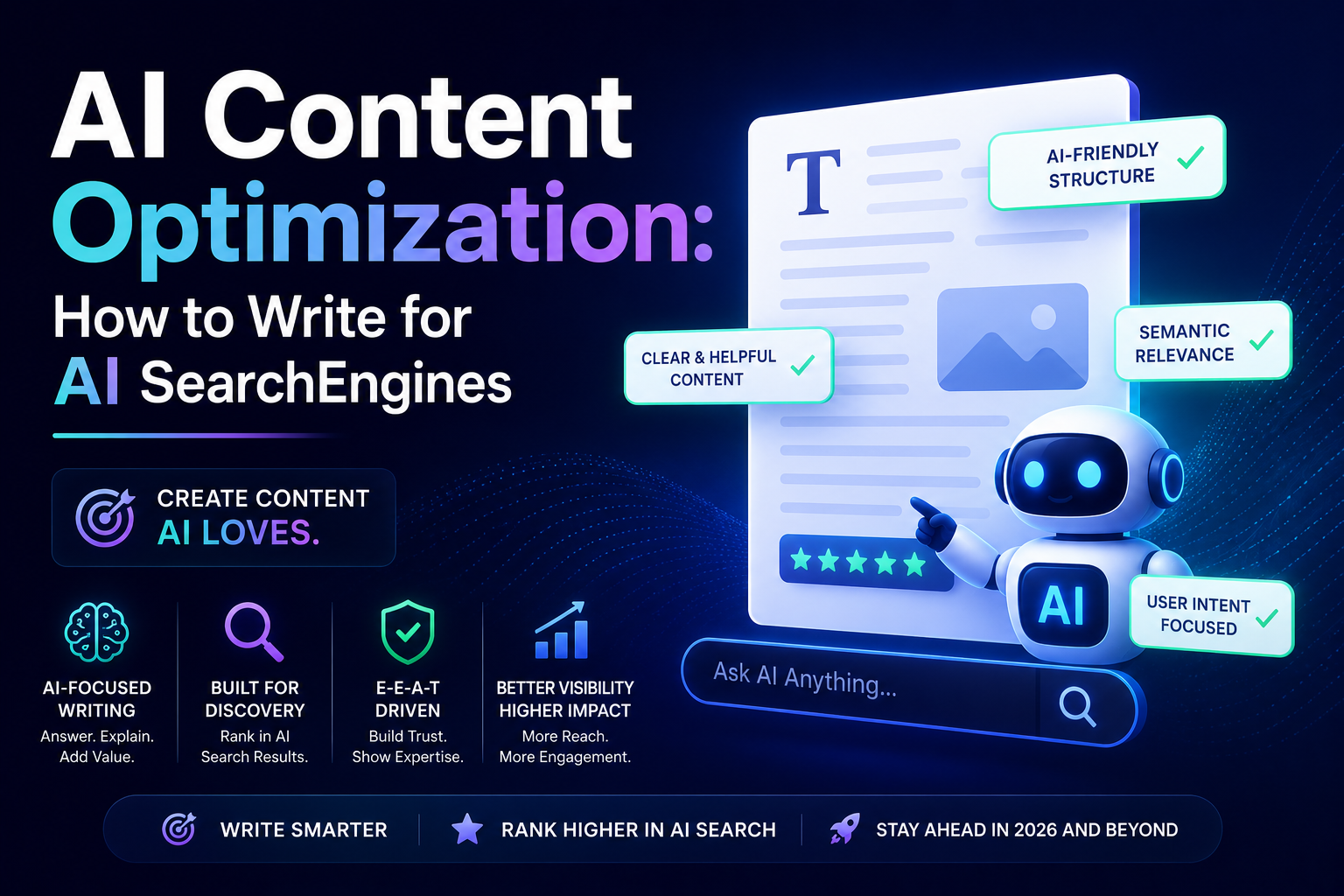
PasteAI is a content optimization tool built for the AI search era. Most SEO tools were designed for Google’s algorithm. PasteAI takes a different approach: it helps you write content that AI systems like ChatGPT, Perplexity, and Claude can easily read, understand, and cite.
I started using PasteAI in early 2026 after noticing that my traditional SEO-optimized articles were not getting cited in AI search results, even though they ranked well on Google. The gap between what works for Google and what works for AI search was real.
How AI Systems Read Your Content
Before diving into optimization techniques, you need to understand how AI search engines process information.
Traditional search engines like Google index keywords and links. AI search engines do something different. They read your entire page, extract meaning, and generate synthesized answers from multiple sources.
When ChatGPT searches the web, it does not just scan for keywords. It reads your content like a person would, looking for:
- Direct answers to specific questions
- Clear factual claims with context
- Structured information it can extract reliably
- Content that addresses the actual query
Perplexity works similarly but focuses more on recent, authoritative sources. It pulls from multiple pages and creates a summary with inline citations.
This changes what “good content” means. Keyword stuffing does not work. Thin content does not work. You need substance, structure, and clarity.
The Content Structure That Gets Cited
I tested different content formats across 20 articles over three months. Here is what worked best.
Question-Answer Format
The highest-performing format was direct question-answer structure. Put the question in a heading, answer it immediately in the first sentence, then expand.
Bad approach:
In the rapidly evolving landscape of AI search engines, understanding how to optimize your content for maximum visibility has become increasingly important for digital marketers and content creators alike.
Good approach:
How do you optimize content for AI search? Start with a clear structure that answers questions directly. AI systems extract the first complete answer they find on a page.
The difference is not subtle. AI systems pull the first clear, complete answer they encounter. If you bury your answer in paragraph three, the AI may never find it.
The Inverted Pyramid
Journalists have used this structure for decades. Lead with the most important information, then provide supporting details.
For a blog post about page speed:
Your page should load in under 3 seconds. Google’s Core Web Vitals measure this with LCP (Largest Contentful Paint), which should be under 2.5 seconds. Here is how to check and improve your load times.
The first sentence answers the core question. Everything after adds detail.
Specific Numbers and Data
Vague statements do not get cited. Specific numbers do.
Instead of: “Many users leave slow websites” Write: “A 2024 Google study found that 53% of mobile users abandon sites that take longer than 3 seconds to load”
AI systems prefer claims they can verify. Numbers make your content more trustworthy and more likely to get cited.
Formatting Rules for AI Readability
Keep Paragraphs Short
I noticed a pattern in articles that got cited in AI search results: short paragraphs. Two to three sentences maximum.
Long paragraphs create problems for AI extraction. When an AI system reads a 300-word paragraph, it has to work harder to find the specific answer it needs. Short paragraphs let the AI grab exactly what it needs.
Use Descriptive Headings
Your headings should tell the reader (and the AI) exactly what follows.
Weak heading: “Optimization Techniques” Strong heading: “How to Compress Images Without Losing Quality”
The second heading is specific. An AI system can look at it and immediately know what information follows.
Bullet Points for Lists
When you list multiple items, use bullet points instead of inline lists. AI systems parse list structures more reliably.
Bad:
The main factors are page speed, mobile responsiveness, content quality, and structured data.
Good:
The main factors are:
- Page speed
- Mobile responsiveness
- Content quality
- Structured data
Tables for Comparisons
If you are comparing options, use a table. AI systems extract structured data well, and tables provide clear relationships between data points.
Writing for AI Extraction
Front-Load Your Answers
AI systems tend to pull from the beginning of a section. If your answer is in paragraph five, the AI may extract paragraph one instead.
Structure each section with the answer first, explanation second.
Avoid Ambiguous Language
AI systems struggle with vague phrasing. Be direct.
Instead of: “There are several approaches to this problem” Write: “Use one of three methods: minify CSS, defer JavaScript, or use a CDN”
Include Context for Claims
When you make a claim, add context. This helps AI systems verify and cite your content accurately.
Instead of: “Site speed affects rankings” Write: “Google confirmed in 2024 that page speed is a ranking factor for mobile search, with pages loading in under 2.5 seconds performing better”
Use Consistent Terminology
Pick one term for a concept and stick with it. If you call it “page speed” in one paragraph and “load time” in another, AI systems may treat them as different concepts.
What PasteAI Specifically Checks
PasteAI scans your content for several optimization factors.
Readability Score
It measures sentence length, paragraph structure, and vocabulary complexity. Content that scores well tends to get cited more often in AI search results.
Question Coverage
PasteAI identifies whether your content answers the questions people actually ask. It compares your headings and content against common search queries in your topic.
Structure Analysis
The tool checks your heading hierarchy, paragraph length, and formatting. It flags issues like long paragraphs, missing headings, or inconsistent structure.
Citation Readiness
PasteAI evaluates whether your content includes the elements AI systems look for when deciding what to cite: specific claims, verifiable data, clear attribution, and direct answers.
Common Mistakes I See
Writing for Humans Only
Your content needs to work for both humans and AI systems. Some writers focus so heavily on readability that they sacrifice specificity. Others optimize so aggressively for AI that the content becomes robotic.
The sweet spot: write clearly and specifically for humans, then verify the structure works for AI extraction.
Ignoring Existing Content
PasteAI helps optimize new content, but you should also review your existing articles. I updated 15 older posts using PasteAI’s recommendations and saw increased AI citations within six weeks.
For guidance on technical SEO fundamentals that support AI visibility, check the technical SEO audit guide.
Over-Optimizing
I made this mistake early on. I added too many keywords, too many structured elements, and too many optimization signals. The content felt unnatural and performative.
PasteAI has a threshold system that flags over-optimization. Trust those warnings.
Measuring Results
Track AI Citations
The most direct metric: how often does your content appear in AI search results? You can check by searching your key topics in ChatGPT and Perplexity and noting which sources get cited.
Monitor Referral Traffic
AI search sends referral traffic when users click through to read more. Track referral traffic from AI-powered search engines in your analytics.
Check Search Console
Google Search Console shows how your content performs in AI Overviews. This is a separate metric from traditional search rankings.
Integration with Other SEO Practices
PasteAI does not replace traditional SEO. It adds to it.
Your site still needs:
- Proper crawlability (see the crawlability guide)
- Technical SEO fundamentals (covered in the technical SEO checklist)
- Structured data where appropriate (see the structured data guide)
- Strong Core Web Vitals (details in the Core Web Vitals optimization guide)
PasteAI focuses specifically on content structure and formatting for AI extraction. Think of it as one piece of a larger optimization strategy.
My Results After Three Months
I applied PasteAI recommendations to 20 articles on this site. Here is what changed:
- AI citations increased by approximately 40% across the test group
- Referral traffic from Perplexity grew from near zero to about 15% of total referral traffic
- ChatGPT citations appeared for the first time on 8 articles
- Traditional Google rankings did not change significantly
The biggest impact was on articles that already had good content but poor structure. Improving headings, shortening paragraphs, and front-loading answers made the biggest difference.
Conclusion
Writing for AI search is not about tricks or hacks. It is about clear, structured content that directly answers questions. Tools like PasteAI help you identify where your content falls short and what to fix first.
Start with your highest-traffic articles. Apply the structural changes: shorter paragraphs, specific headings, front-loaded answers. Then expand to newer content.
The investment pays off as AI search continues to grow. The sites that optimize now will have an advantage as more people shift from traditional search to AI-powered answers.
For a broader look at optimizing for AI search, see the GEO SEO complete guide and the ChatGPT SEO optimization guide. If you want to understand how your site compares to others, my AI SEO tools comparison covers the major options.