The State of AI Search in 2026
AI search has moved from novelty to mainstream. Two years ago, most people still searched by typing keywords into Google. Now a significant portion of searches go through ChatGPT, Perplexity, and other AI-powered systems.
I started tracking these changes in late 2024 when I noticed referral traffic patterns shifting on my own site. The data tells an interesting story about where search is heading.
The Major Players and How They Have Changed
ChatGPT Search
ChatGPT launched its search feature in late 2024. By 2026, it has become a primary search method for many users.
The biggest change: ChatGPT now cites sources consistently. Early versions generated answers without attribution. Current versions include links to source pages, which means referral traffic is real and measurable.
OpenAI separated its crawlers into distinct purposes:
- GPTBot collects data for model training
- OAI-SearchBot powers real-time search results
This separation matters for site owners. You can block training while allowing search, or vice versa, depending on your priorities.
Perplexity
Perplexity has grown from a niche tool to a serious search competitor. Its model focuses on real-time information with transparent citations.
What changed in 2026:
- Faster crawling of new content
- Better handling of technical documentation
- Improved source diversity (less reliance on Wikipedia and major publications)
- Direct partnerships with publishers for content licensing
Perplexity now processes over 100 million queries per day. The traffic is real and growing.
Google AI Overviews
Google integrated AI-generated answers directly into search results. AI Overviews appear at the top of search pages, synthesizing information from multiple sources.
The impact on traditional SEO is significant. When AI Overviews answer a query, fewer users click through to individual websites. Google reports that AI Overviews actually increase overall engagement, but the traffic distribution has shifted.
Sites that get cited in AI Overviews see traffic increases. Sites that do not get cited see declines, even if their traditional rankings remain stable.
Claude and Anthropic
Claude handles web search differently from ChatGPT and Perplexity. It uses the ClaudeBot crawler for training data but is more conservative about real-time web access.
Anthropic’s approach prioritizes accuracy over freshness. Claude tends to cite fewer sources but provides more detailed analysis. This affects which types of content get cited.
What Site Owners Need to Know
Training vs Search Crawling
The distinction between training and search crawling is now well-established:
- Training crawlers read your content to improve AI models
- Search crawlers read your content to answer user queries in real time
Blocking training crawlers (GPTBot, ClaudeBot) does not affect search visibility. Blocking search crawlers (OAI-SearchBot, PerplexityBot) removes your content from AI search results.
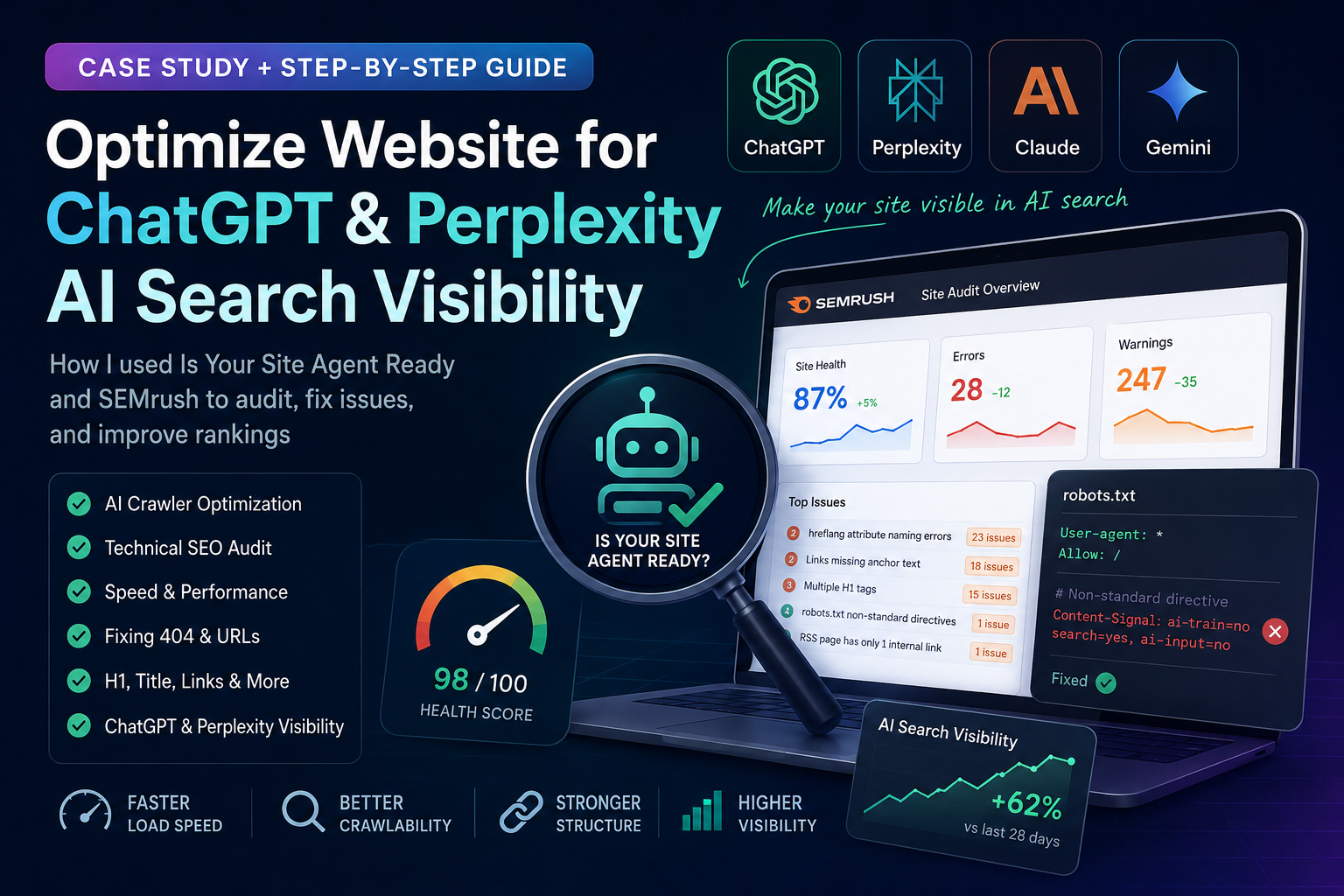
For details on configuring crawler access, see the crawlability guide.
Citation Patterns Have Stabilized
Early AI search cited content inconsistently. By 2026, patterns have emerged:
Content that gets cited:
- Direct answers to specific questions
- Recent, frequently updated content
- Content with clear structure and headings
- Pages with author attribution and publication dates
- Sites with strong technical SEO foundations
Content that does not get cited:
- Long, meandering articles without clear answers
- Outdated content without modification dates
- Pages behind paywalls or login walls
- Sites with poor crawlability
For content optimization strategies, see the PasteAI content optimization guide.
Traffic Patterns Are Different
AI search sends traffic differently than traditional search:
- Lower volume per visit (users get answers directly)
- Higher intent (users who click through want detailed information)
- More referral attribution (AI systems cite sources)
- Less dependency on brand recognition
A single citation in a ChatGPT answer can bring more targeted traffic than ranking tenth on a Google results page.
Technical Changes in 2026
Structured Data Adoption
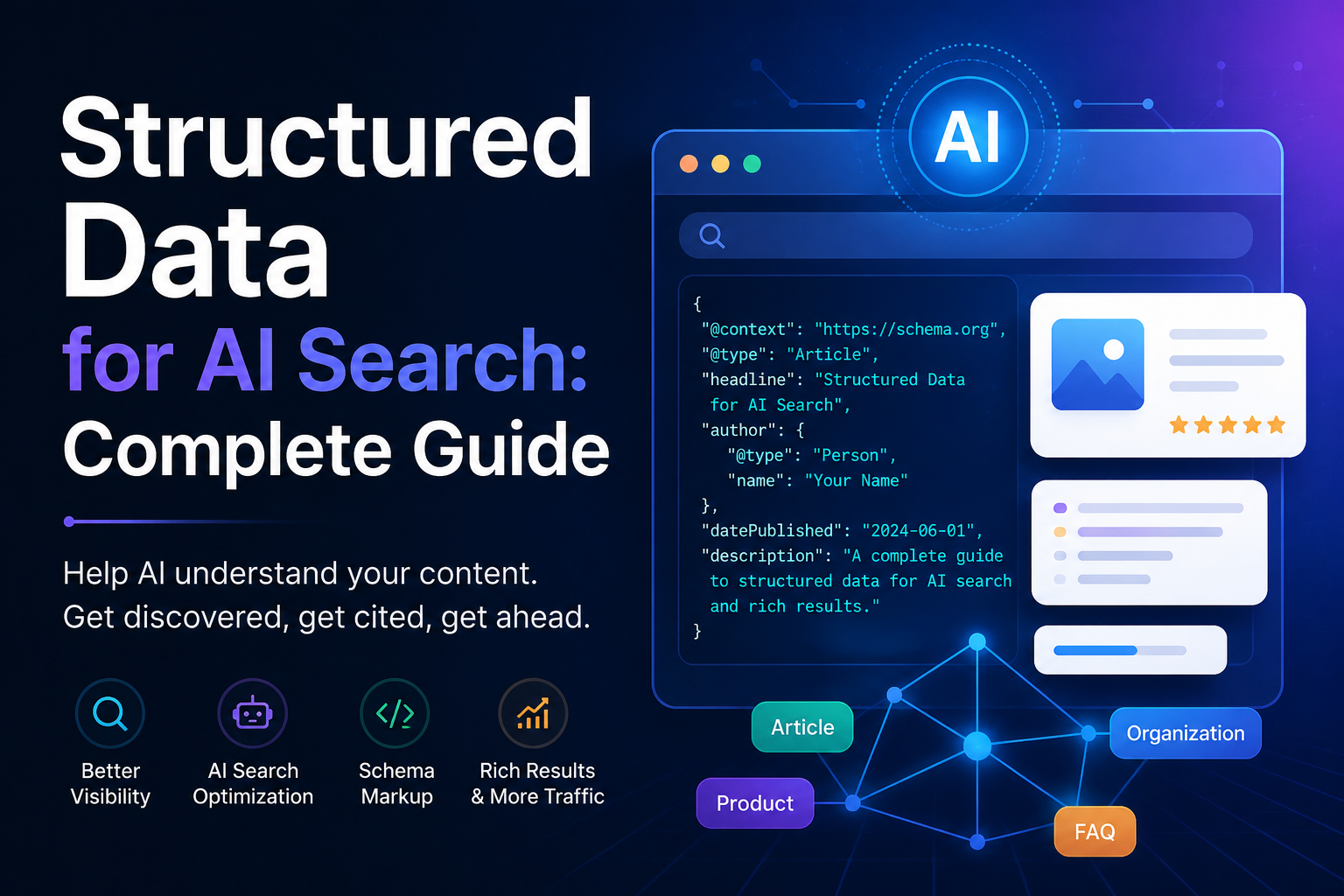
Structured data went from optional to essential for AI search visibility. AI systems use schema markup to understand content type and extract information reliably.
The most impactful schema types for AI search:
- Article schema (blog posts, news)
- FAQ schema (question-answer content)
- HowTo schema (tutorials and guides)
- Product schema (e-commerce)
For implementation details, see the structured data guide.
Core Web Vitals as a Signal
Google confirmed that Core Web Vitals affect AI Overview citations. Slow pages are less likely to be cited, even if the content is relevant.
The thresholds remain:
- LCP (Largest Contentful Paint): under 2.5 seconds
- INP (Interaction to Next Paint): under 200 milliseconds
- CLS (Cumulative Layout Shift): under 0.1
For optimization guidance, see the Core Web Vitals guide.
Real-Time Content Indexing
AI search systems now index content faster than traditional search. New articles can appear in ChatGPT and Perplexity results within hours, compared to days or weeks for Google.
This rewards sites that publish frequently and keep content fresh. It also means outdated information gets replaced faster.
The Impact on Different Industries
News and Journalism
News sites see the biggest shift. AI search summarizes news articles, reducing direct traffic but increasing citation visibility. Publishers with strong brands benefit more than smaller outlets.
E-commerce
Product searches increasingly go through AI systems. Users ask “what’s the best laptop under $1000” instead of searching for specific products. This favors comparison content and product reviews over individual product pages.
Technical Documentation
AI search excels at technical questions. Developers asking “how do I configure X” get answers pulled directly from documentation. Sites with clear, well-structured documentation see significant citation traffic.
Local Business
Local search remains dominated by Google, but AI systems are beginning to influence local queries. “Best restaurant near me” style queries increasingly get AI-generated answers with citations.
What Has Not Changed
Despite all the shifts, some fundamentals remain:
Technical SEO Still Matters
Your site needs to be crawlable, fast, and well-structured. AI search did not eliminate the need for technical SEO. It made it more important.
For a complete technical foundation, see the technical SEO audit checklist.
Quality Content Still Wins
AI systems cite authoritative, accurate sources. Thin content, outdated information, and unsubstantiated claims still perform poorly.
Backlinks Still Have Value
While AI search evaluates content directly rather than relying solely on PageRank, backlinks from reputable sites still signal authority. They are less important than before, but not irrelevant.
Preparing for What Comes Next
Diversify Your Search Strategy
Do not put all your effort into traditional SEO. Allocate resources to AI search optimization alongside Google optimization.
Focus on Answerable Content
Write content that answers specific questions directly. This format works for both traditional search (featured snippets) and AI search (citations).
Maintain Technical Excellence
Keep your site fast, crawlable, and well-structured. These fundamentals benefit all search channels.
Monitor and Adapt
Track where your traffic comes from. Monitor AI citations. Adjust your strategy based on what works.
For a comprehensive optimization approach, see the GEO SEO complete guide and the ChatGPT SEO optimization guide.
My Observations From 15 Months of Tracking
I have tracked AI search trends on my own site since early 2025. Here is what I have learned:
- AI search traffic grew from 2% to 12% of total referral traffic
- Perplexity is the largest AI referrer, followed by ChatGPT
- Technical content gets cited more than opinion pieces
- Freshness matters more for AI search than for traditional search
- Structured data correlates with higher citation rates
The trend is clear: AI search will continue to grow. Sites that optimize for it now will have an advantage.
Conclusion
AI search in 2026 is more mature, more predictable, and more important than it was two years ago. The tools are better, the patterns are clearer, and the traffic is real.
Start with the fundamentals: crawlability, technical SEO, and content structure. Then add AI-specific optimizations like structured data and answer-focused formatting.
The sites that adapt will thrive. The ones that ignore these changes will fall behind.
For a practical starting point, run a technical SEO audit on your site. Then optimize your most important content using the content optimization guide. For a deeper look at how AI search works, read the GEO SEO complete guide.